
Industry-BestWeb App Development Services
As a trusted website app development company, we offer a comprehensive range of web development services. Our skilled developers delve deep into your unique business challenges to deliver perfectly tailored solutions that not only meet but exceed your expectations.
Custom Web Development Services to Broaden Business Prospects
Custom Web Application Development
We develop custom web applications around specific business processes, user requirements, and operational goals. Our full-cycle approach covers requirements analysis, application architecture, database planning, business logic, API development, user interfaces, testing, and deployment. Before development begins, we establish the technical approach, project scope, priorities, and delivery milestones to create a clear foundation for the product.
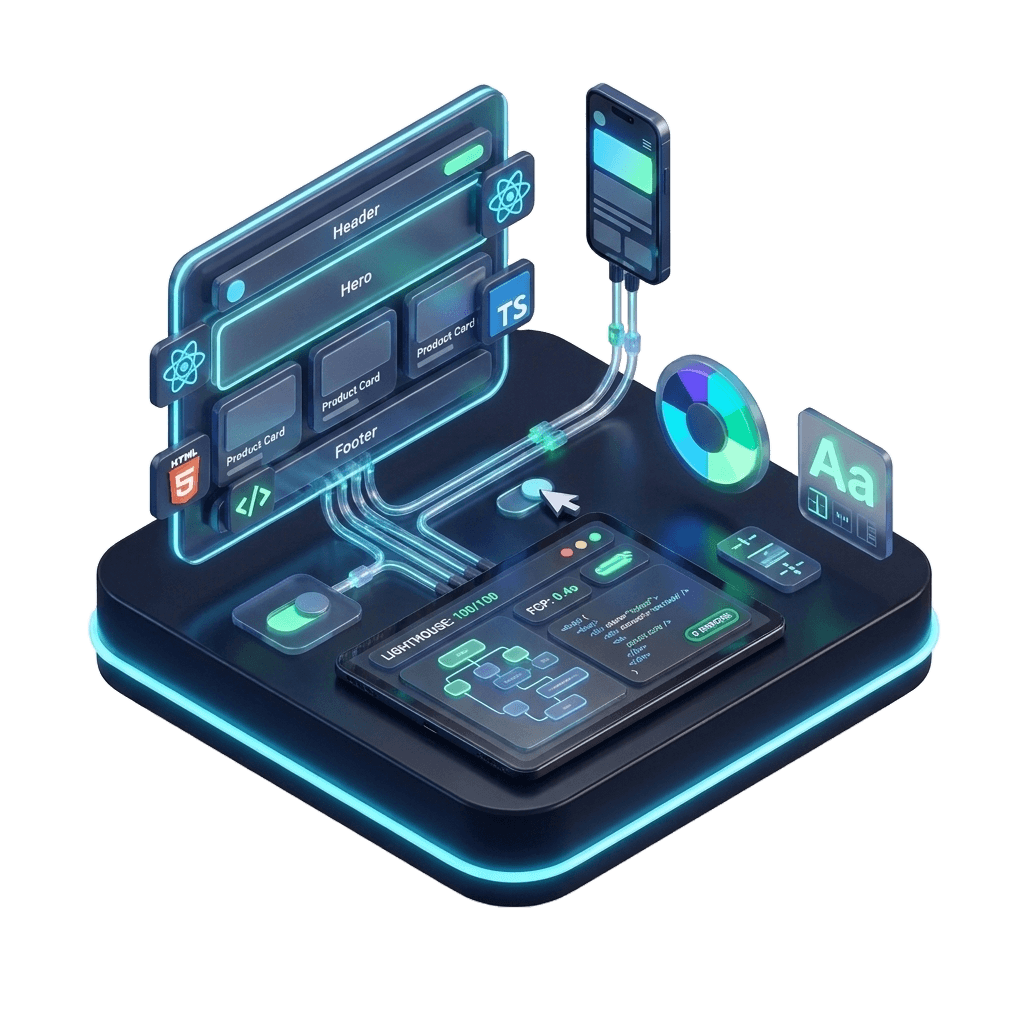
Frontend Development
We build responsive and interactive frontend experiences using React, Next.js, Vue, and Angular based on application requirements. Our frontend development covers component architecture, reusable UI systems, state management, responsive layouts, accessibility, performance optimization, and integration with backend services. This creates consistent digital experiences that remain maintainable as applications evolve.
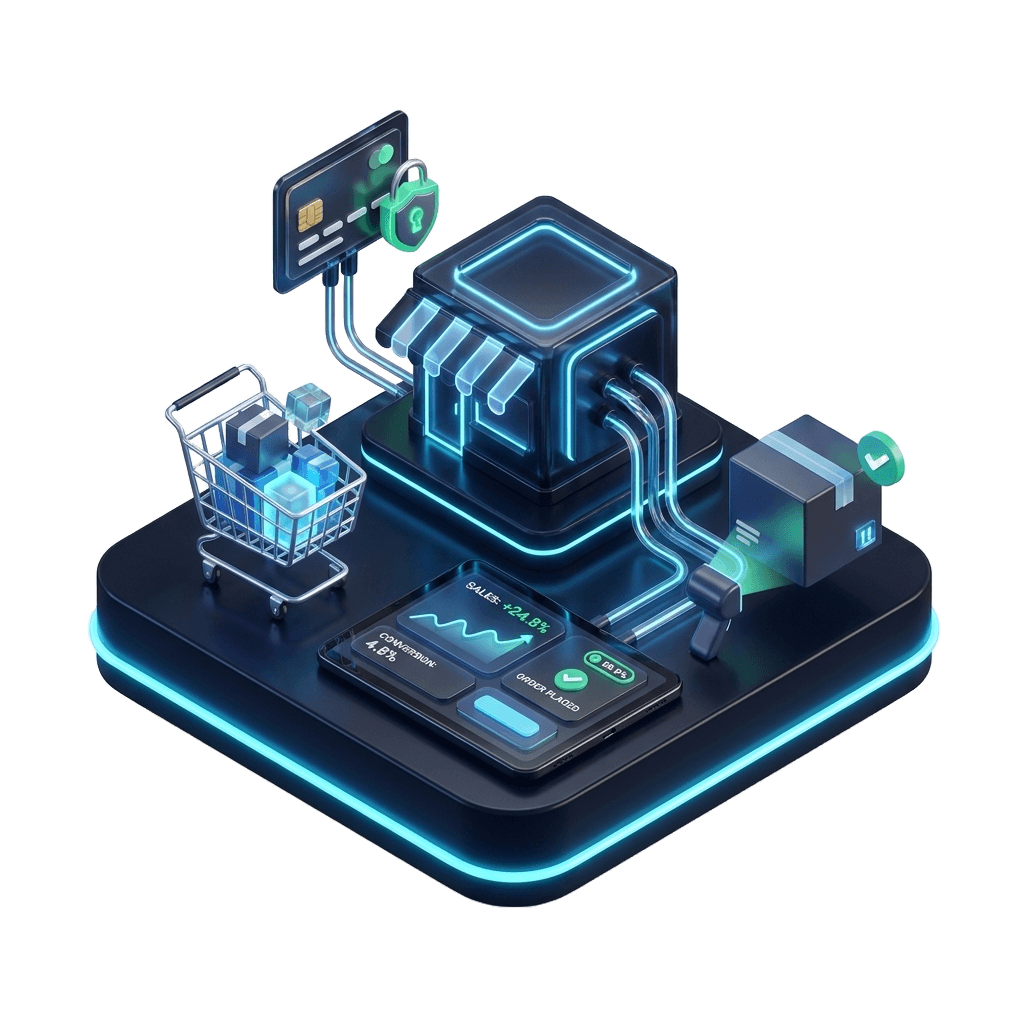
E-Commerce & Online Stores
We develop e-commerce solutions that support the complete online shopping journey, from product discovery and catalog management to checkout, payment processing, order handling, and customer accounts. We work with platforms such as Shopify and WooCommerce or develop fully customized storefronts based on business requirements. Solutions can include inventory management, search and filtering, promotions, shipping workflows, payment integration, and customer-focused purchasing experiences.
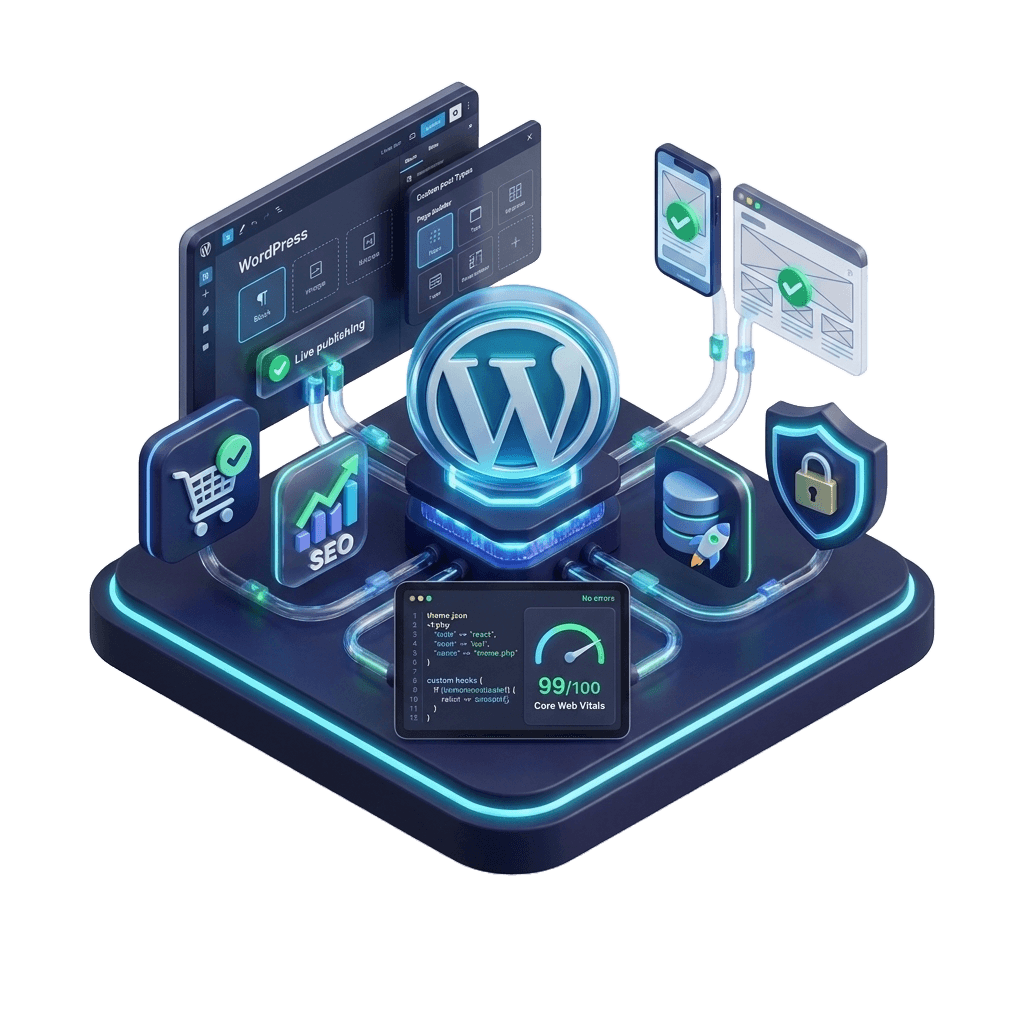
WordPress Development
We create custom WordPress websites tailored to a business's content, branding, functionality, and management requirements. Our services include custom theme development, structured content, responsive layouts, WordPress configuration, WooCommerce implementation, performance optimization, and maintainable administrative experiences. We focus on creating websites that are easy to manage while providing a reliable foundation for future updates and growth.
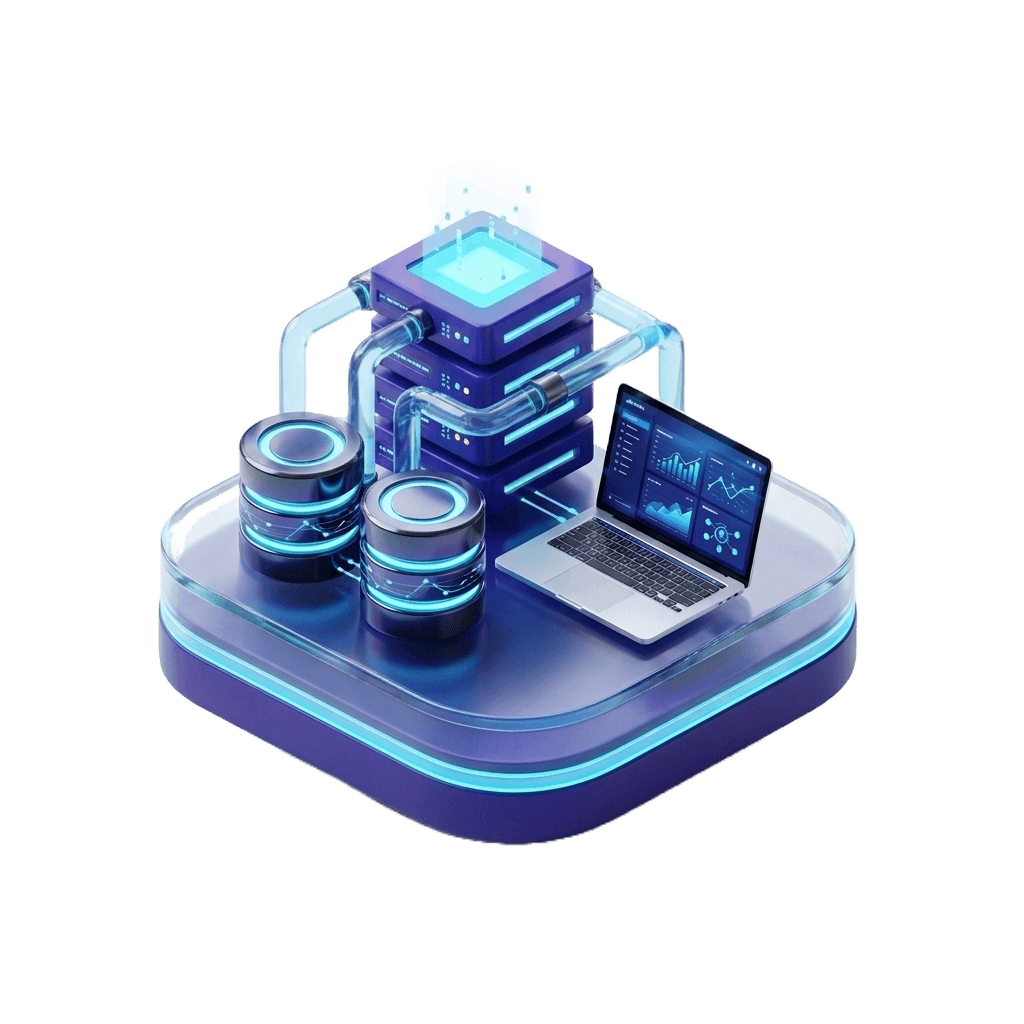
Backend Development and API Engineering
We engineer the server-side systems that power web applications, including business logic, authentication, data processing, database operations, and API services. Depending on project requirements, our backend development can use Node.js, Python, Java, or PHP, with REST or GraphQL APIs where appropriate. We design backend architecture around expected workloads, data relationships, security requirements, and long-term maintainability.
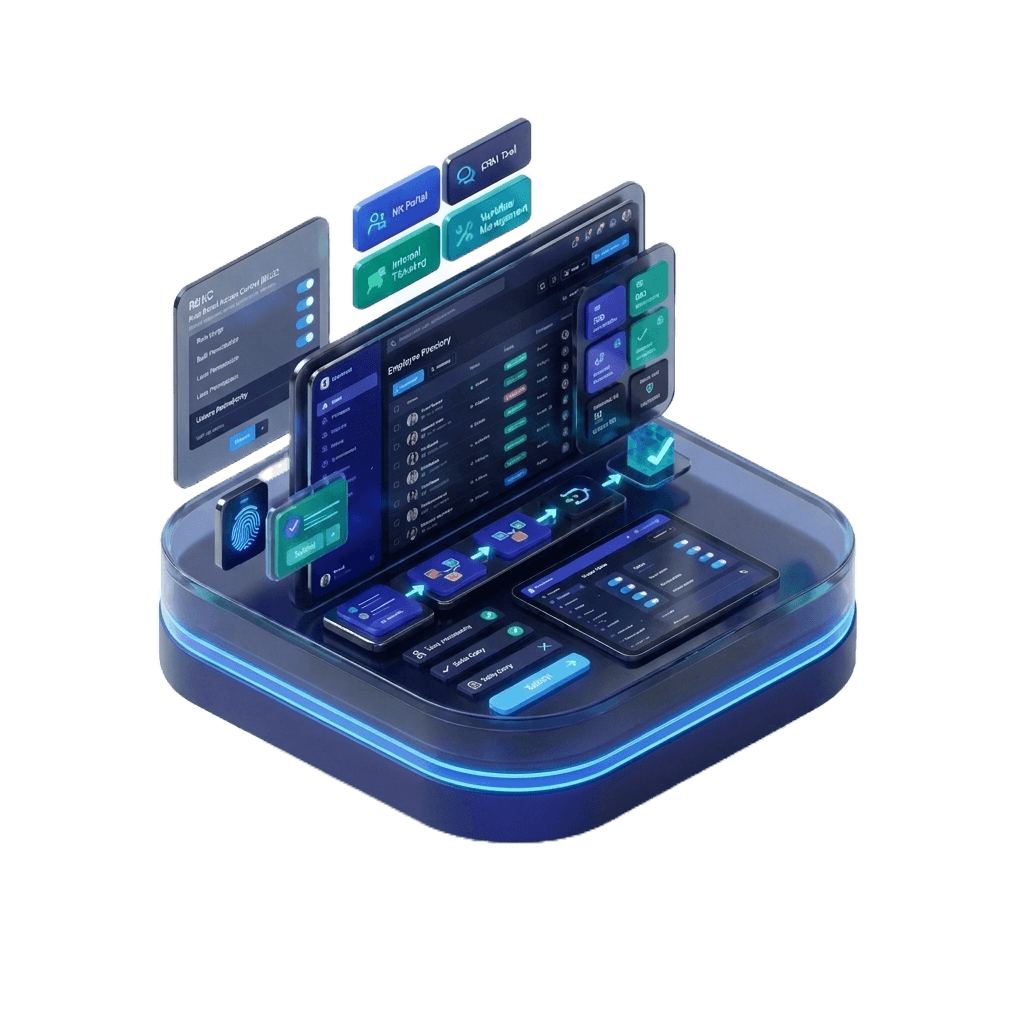
Web Portal and Internal Tool Development
We build web portals and internal applications that bring business information, workflows, and operational activities into a centralized environment. These solutions can support employee management, attendance, reporting, approvals, administration, inventory, customer self-service, partner access, and other organization-specific processes. Role-based permissions, structured data management, dashboards, and workflow controls help teams reduce manual work and operate through a more organized digital system.
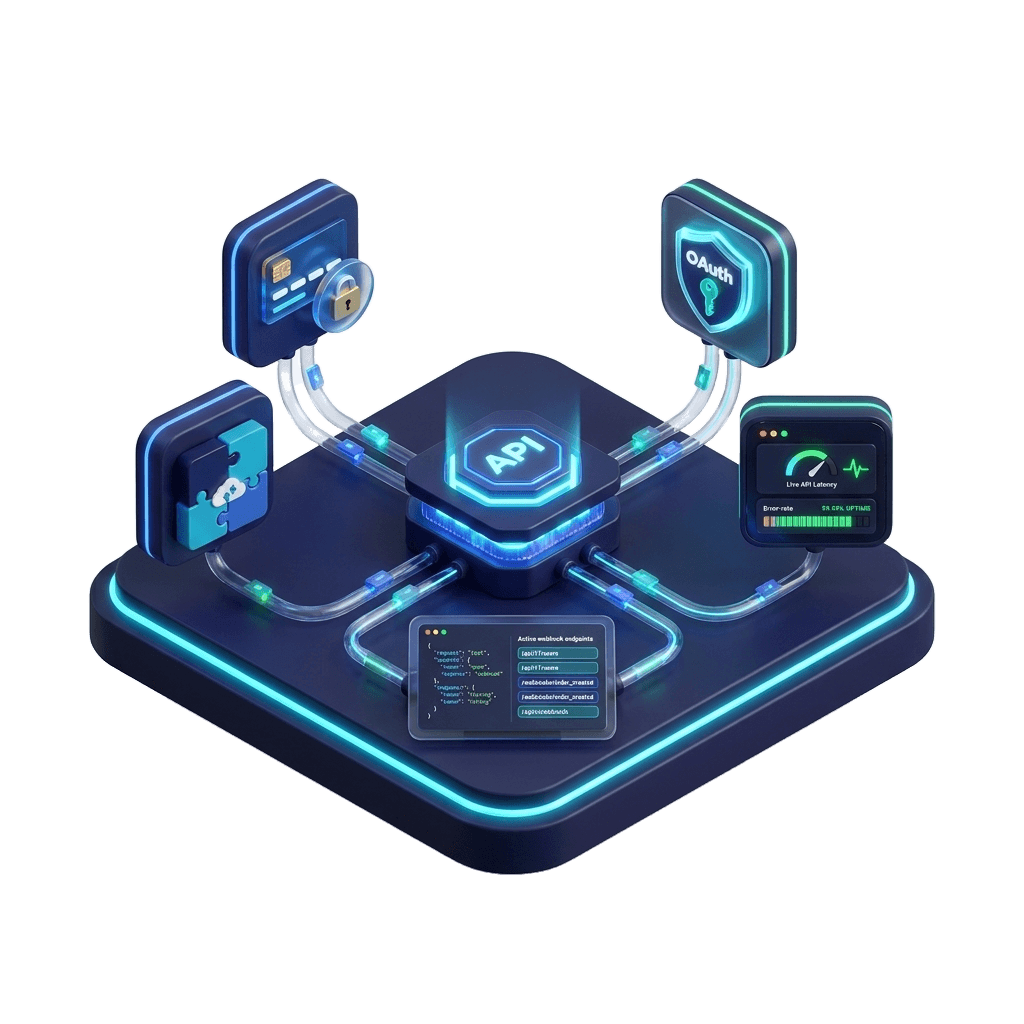
System Integration and API Development
We connect web applications with the external systems businesses rely on, including payment services, CRM and ERP platforms, authentication providers, communication services, analytics systems, and third-party APIs. Our integration work covers API design and consumption, authentication, data synchronization, validation, error handling, and integration workflows. We structure integrations to handle service changes and failures while keeping communication between systems reliable.
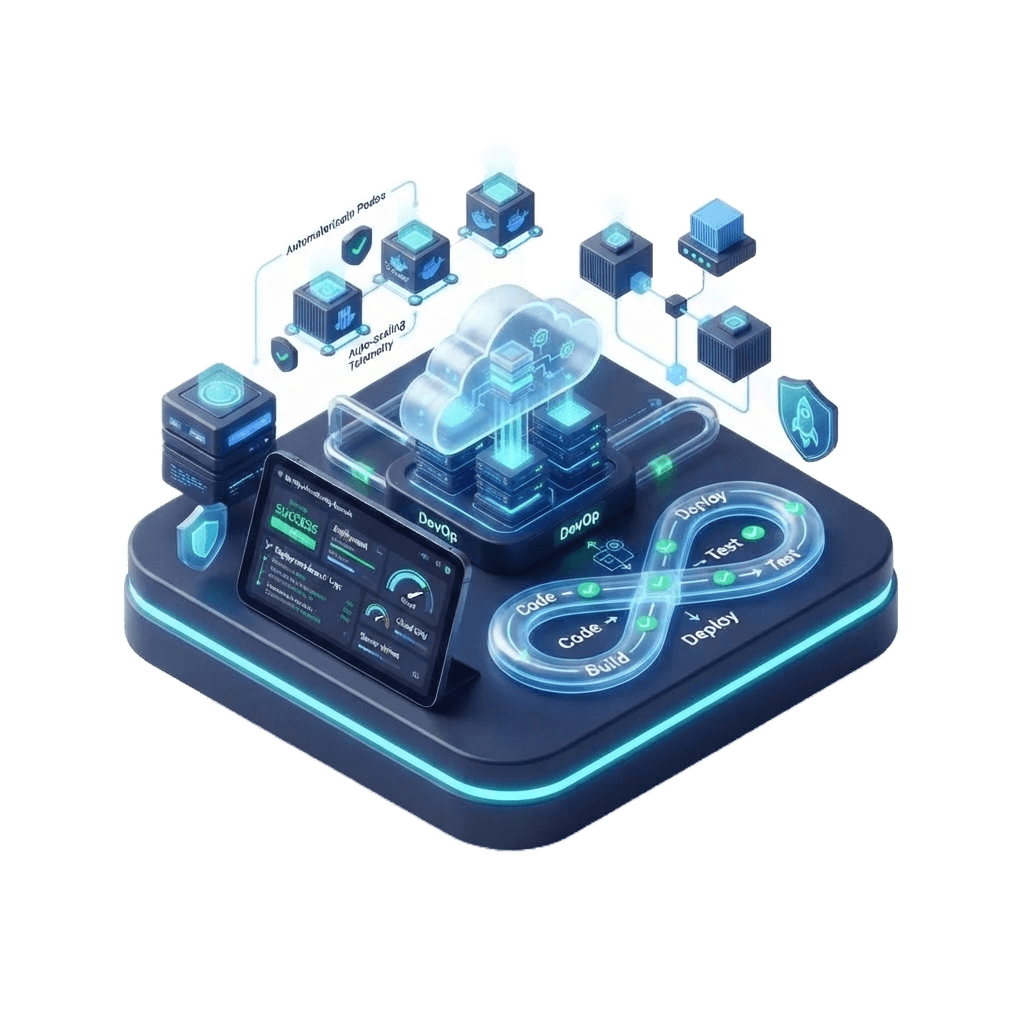
Cloud Deployment and DevOps Setup
We prepare web applications for reliable deployment by establishing cloud infrastructure, application environments, deployment workflows, and operational monitoring. Our DevOps services can include AWS infrastructure configuration, CI/CD pipelines, environment management, application logging, monitoring, alerting, and deployment automation. This creates a controlled path from development to production while making applications easier to deploy, monitor, maintain, and scale.
QA and Testing
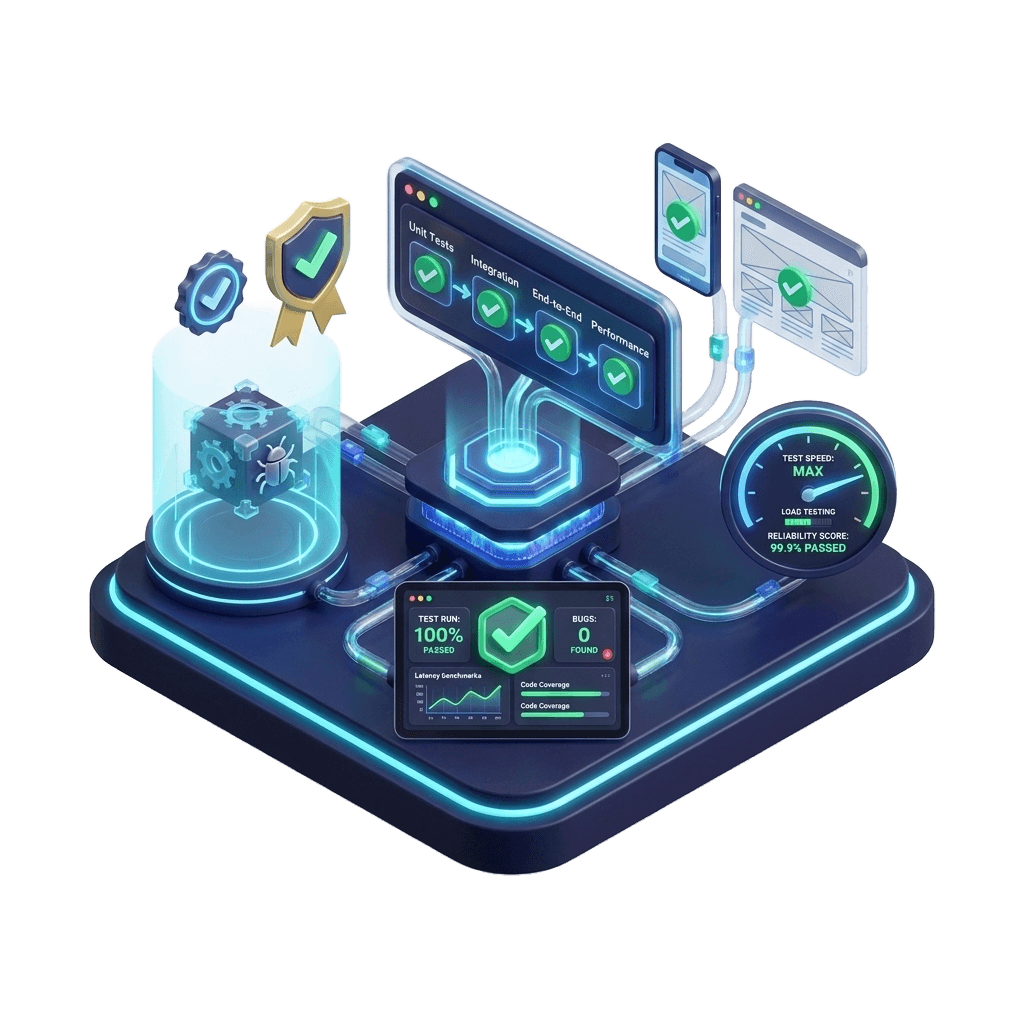
Our experienced QA specialists bring dedicated testing expertise throughout the web application development lifecycle, helping identify functional and technical issues before production release. We cover functional, regression, compatibility, usability, performance, and security-focused testing according to application requirements. Our approach combines automated testing where it provides meaningful coverage with thorough manual testing and human validation for complex workflows, business rules, and real-world use cases.
Why Choose Greyloops as
Your Web App Development Partner?
From initial consultation to the final product, Greyloops attention to detail and commitment to excellence is unparalleled. As a renowned web application design services firm, our experts combine cutting-edge technologies with creative

Agile Development Practices
As a custom web development company, we follow agile development practices to build flexible, reliable, and sustainable web solutions. Our iterative approach allows us to break projects into manageable stages, prioritize important features, and continuously refine the application based on evolving business requirements. Through regular collaboration, development, testing, and feedback, we identify potential issues early and maintain greater control over project progress. This helps us deliver high-quality web applications that can adapt to changing business needs while reducing development risks and supporting long-term growth.
Timely Project Delivery
Being one of the leading web development companies, we have a track record of completing projects before time. Our team works hard to meet your deadlines and ensure your web app is ready to go live when you want it to. We follow a structured development process with clear milestones, regular progress tracking, and effective team coordination to keep projects moving forward without unnecessary delays. From initial planning and development to testing and final deployment, we carefully manage each stage to maintain quality while staying aligned with your delivery schedule. Our commitment to timely execution helps you launch your web application confidently and start achieving your business goals sooner.
Transparent Communication
As a custom web application development company, we maintain open and transparent communication channels throughout development to keep you updated and involved at all stages. We believe clear communication is essential for building successful web applications and long-term client relationships. Our team keeps you informed about project progress, development milestones, priorities, and any potential challenges that may arise during the process. Through regular discussions, updates, and feedback, we make sure your requirements and expectations remain aligned with the development process. This collaborative approach gives you better visibility into the project, enables timely decisions, reduces misunderstandings, and ensures the final web application reflects your business objectives.

Types of Custom Web ApplicationsWe Develop
We build custom web applications tailored to different business models, operational needs, and user requirements. From enterprise systems and e-commerce platforms to SaaS products, portals, marketplaces, and data-driven applications, our solutions are designed around specific business objectives and workflows.
Enterprise Web Applications
We develop custom enterprise web applications that bring complex business processes, operational workflows, and organizational data into centralized digital platforms. These applications can support employee management, CRM, supply chain operations, inventory, finance, administration, reporting, and other business-critical functions, helping organizations improve visibility, coordination, and operational efficiency.
- Business & Workflow Management
- Employee, CRM & Operations Systems
- Supply Chain, Inventory & Asset Management
Our Agile Web ApplicationDevelopment Process
We follow an iterative development process that keeps business goals, technical decisions, user requirements, and product feedback aligned throughout the project. Each stage builds on the previous one, allowing teams to validate ideas, develop in manageable increments, and refine the application as requirements evolve.

Discovery & Requirements
We begin by developing a clear understanding of your business objectives, target users, existing processes, and application requirements. Our team works closely with stakeholders to understand what the application needs to achieve, the problems it should solve, and how users will interact with it. We analyze functional requirements, business workflows, user roles, data requirements, integrations, technical constraints, and project priorities. This helps us identify the core features needed for the initial release while separating future enhancements from immediate development needs. Based on these discussions, we document the project scope, define priorities, identify dependencies, and establish clear requirements that guide the design and development teams. This early alignment helps reduce ambiguity, minimize unnecessary changes, and provide a solid foundation for planning the development cycles that follow.

Planning and Wireframing
Once the project requirements are established, we translate business needs into a clear application structure and user experience framework. Our team maps the application’s information architecture, navigation, screen hierarchy, user journeys, and key interactions to determine how users will move through each part of the product. We create detailed wireframes for core screens and workflows, defining the placement of content, features, actions, forms, navigation elements, and functional components without focusing on final visual styling. This allows us to validate the product structure early, identify usability gaps, refine workflows, and ensure that every feature has a clear purpose within the overall application. We also consider different user roles, device requirements, business workflows, integrations, and future scalability while developing the wireframe structure. Based on this process, we establish a practical blueprint that guides the UI/UX design and development teams, reduces unnecessary revisions, and creates a strong foundation for building an intuitive and well-organized digital product.

UI/UX Design
With the application structure and wireframes established, we transform the approved workflows into a complete user interface and experience design. Our team develops visual concepts, interface layouts, typography, color systems, components, forms, navigation elements, and responsive designs that align with the product requirements and brand direction. We design key user journeys across relevant screen sizes and consider how different user roles will interact with the application. Interactive prototypes can be used to demonstrate important workflows and validate navigation, interactions, and overall usability before development begins. The design process focuses on creating consistent experiences across the application while keeping interfaces practical, accessible, and easy to understand. The completed design system provides developers with a clear visual and functional reference for implementing the application accurately and consistently.

Frontend Development
Once the interface designs are approved, we begin implementing the application's client-side experience and translating the designed screens into functional web interfaces. Our frontend development covers reusable components, responsive layouts, navigation, forms, interactive elements, client-side validation, state management, and communication with backend services. We structure the frontend around the application's requirements so that commonly used interface elements remain consistent and easier to maintain as the product grows. We also account for different screen sizes, browsers, accessibility requirements, and real-world user interactions during implementation. Throughout development, the frontend is progressively connected with available APIs and application functionality, allowing completed features to be reviewed and refined as the product moves through each development cycle.

Backend Development
We develop the server-side foundation responsible for the application's business logic, data processing, authentication, authorization, database operations, and core application functionality. Our team structures backend services around the workflows and requirements identified during the planning stages, ensuring that business rules are implemented consistently and application data is handled appropriately. We design APIs and server-side processes that allow the frontend and other required systems to communicate with the application. Database structures, relationships, validation, permissions, error handling, and application performance are considered as part of the implementation. The backend is developed incrementally alongside frontend functionality so that complete features can be connected, tested, and validated throughout the development process rather than being treated as a separate final stage.
Integration
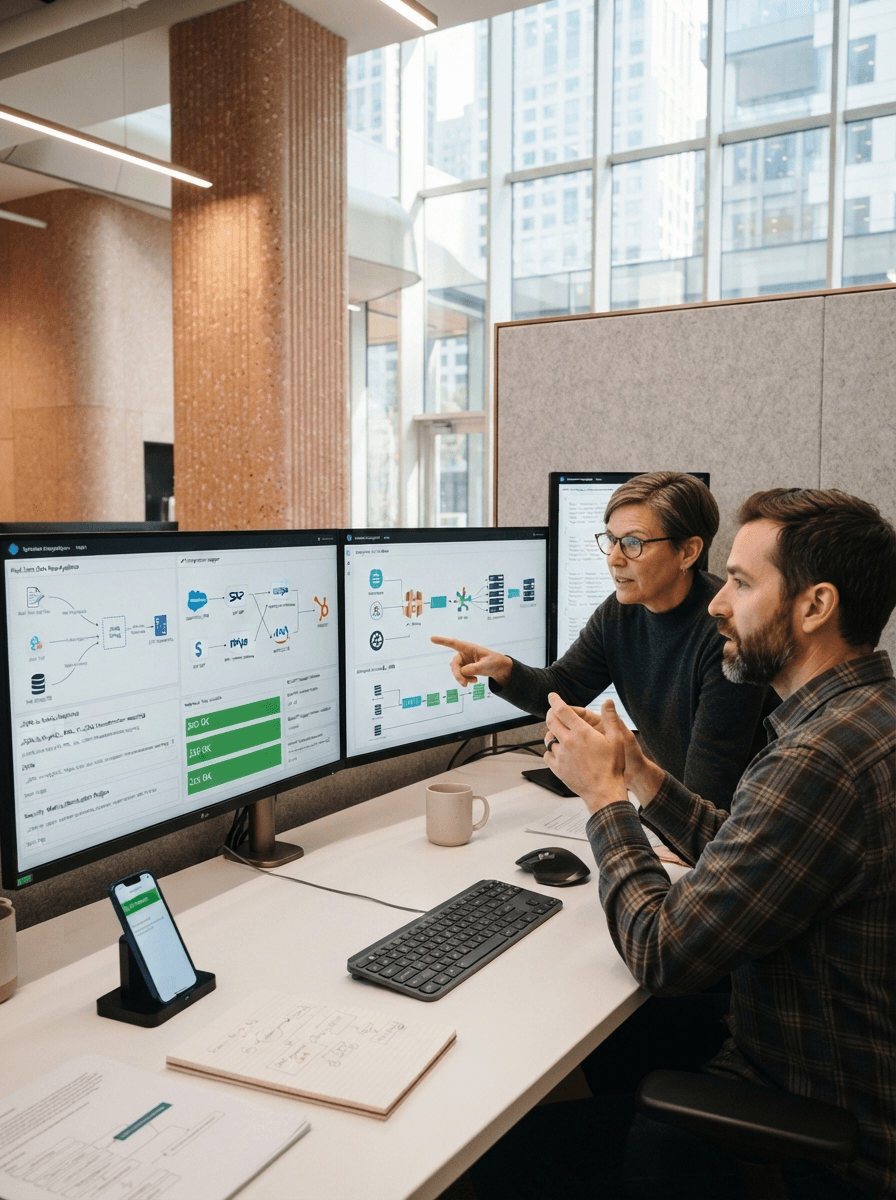
We connect the web application with the external systems and services required to support its business processes and user workflows. Depending on the project, integrations may include CRM and ERP platforms, payment services, authentication providers, communication systems, business APIs, analytics services, or other third-party applications. Our team defines how information should move between systems, implements the required API communication, and handles authentication, data mapping, validation, error conditions, and response handling. We also consider how external service changes or temporary failures can affect application workflows and design integrations accordingly. This approach helps ensure that connected systems communicate consistently and that users can complete business processes without unnecessary manual data transfer or disconnected workflows.
Cloud Migration
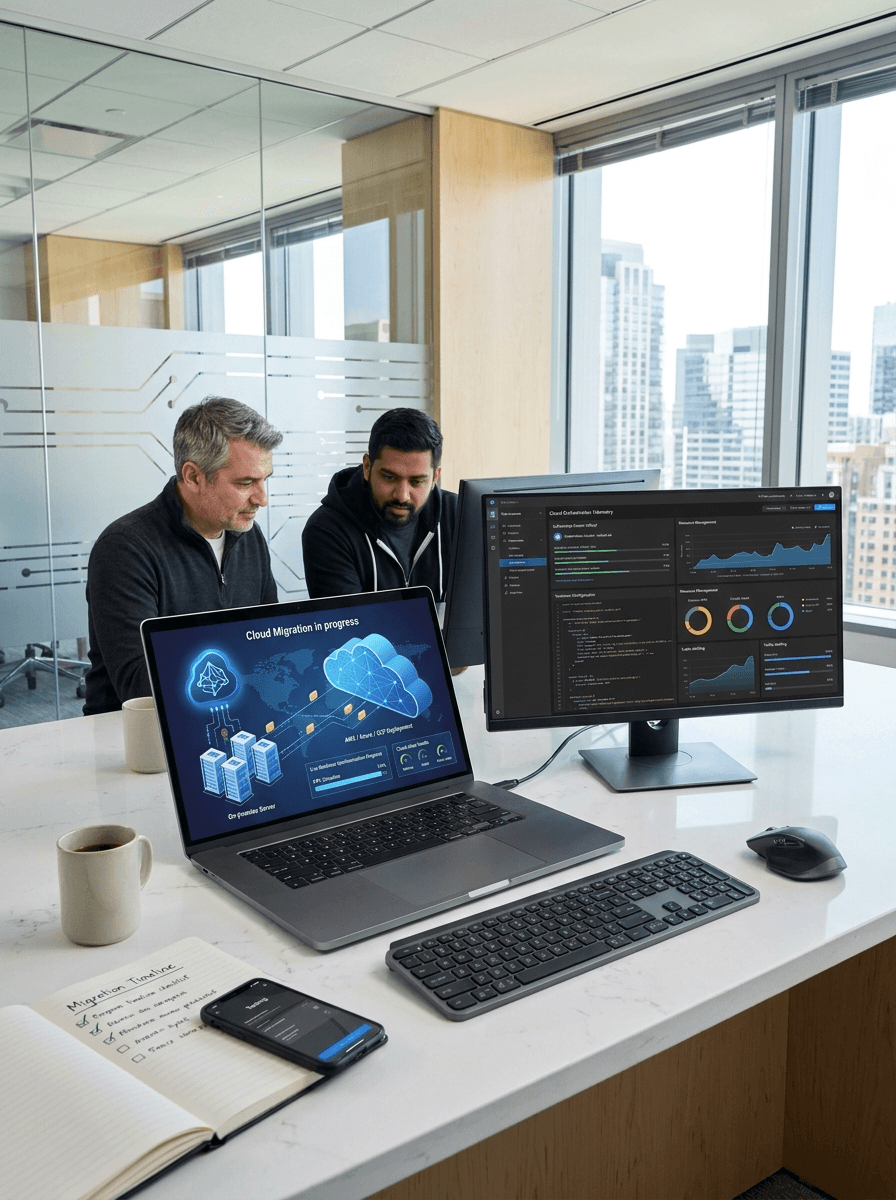
When cloud infrastructure is required, we plan and execute the application's transition to an appropriate cloud environment based on its technical requirements, workload, data, and operational needs. Our team prepares the required environments, application infrastructure, databases, storage, networking, access controls, and deployment configuration while considering performance, availability, security, and future growth. For applications moving from existing infrastructure, we assess the current environment, identify migration dependencies, and plan the transition to reduce disruption to business operations. We also configure development, staging, and production environments where required so that application changes can be managed through controlled deployment processes. The objective is to establish a practical cloud foundation that supports ongoing application operations and future development.
Testing and Quality Assurance
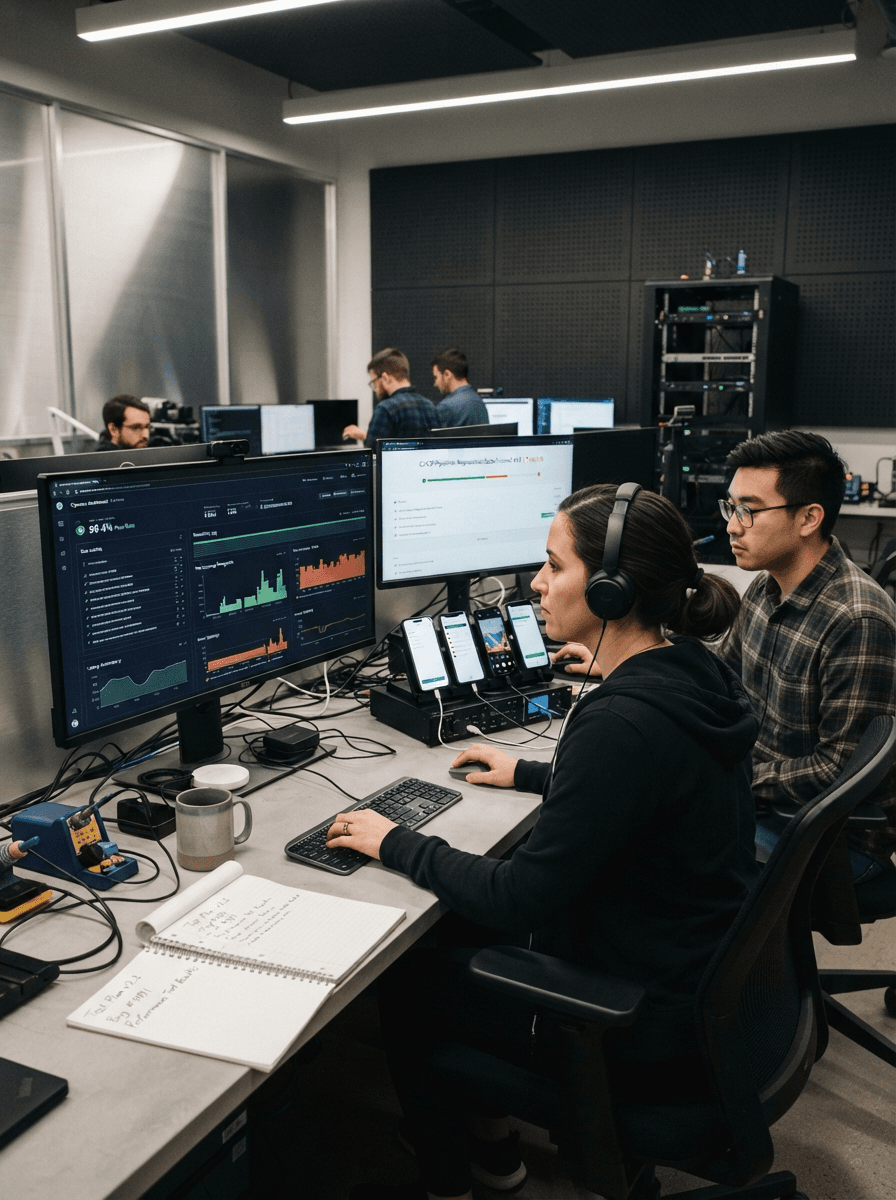
Our QA specialists evaluate the application throughout the development lifecycle to identify functional issues, inconsistencies, and defects before they reach production. Testing is performed according to the application's requirements and can cover functional behavior, regression scenarios, compatibility, usability, performance, security-focused requirements, forms, workflows, integrations, and different user roles. We combine automated testing where it provides meaningful coverage with detailed manual testing and human validation for complex workflows, business rules, and scenarios that require contextual judgment. Issues identified during testing are documented, investigated, and communicated to the development team for resolution and verification. This continuous QA approach helps ensure that completed features work as intended and that changes introduced during development do not compromise previously implemented functionality.

Deployment
Once the application has completed the required development and testing activities, we prepare it for production deployment and launch. Our team reviews the production environment, application configuration, database setup, required infrastructure, domain and DNS configuration, environment variables, access controls, and deployment requirements before release. We establish a controlled deployment process so that the application can be moved from the final development or staging environment into production with appropriate checks in place. Where necessary, we coordinate database migrations, application configuration changes, and release activities to minimize disruption. After deployment, we verify the application's core functionality and production behavior to ensure that the released version is operating correctly and is ready for real users.
Maintenance and Support
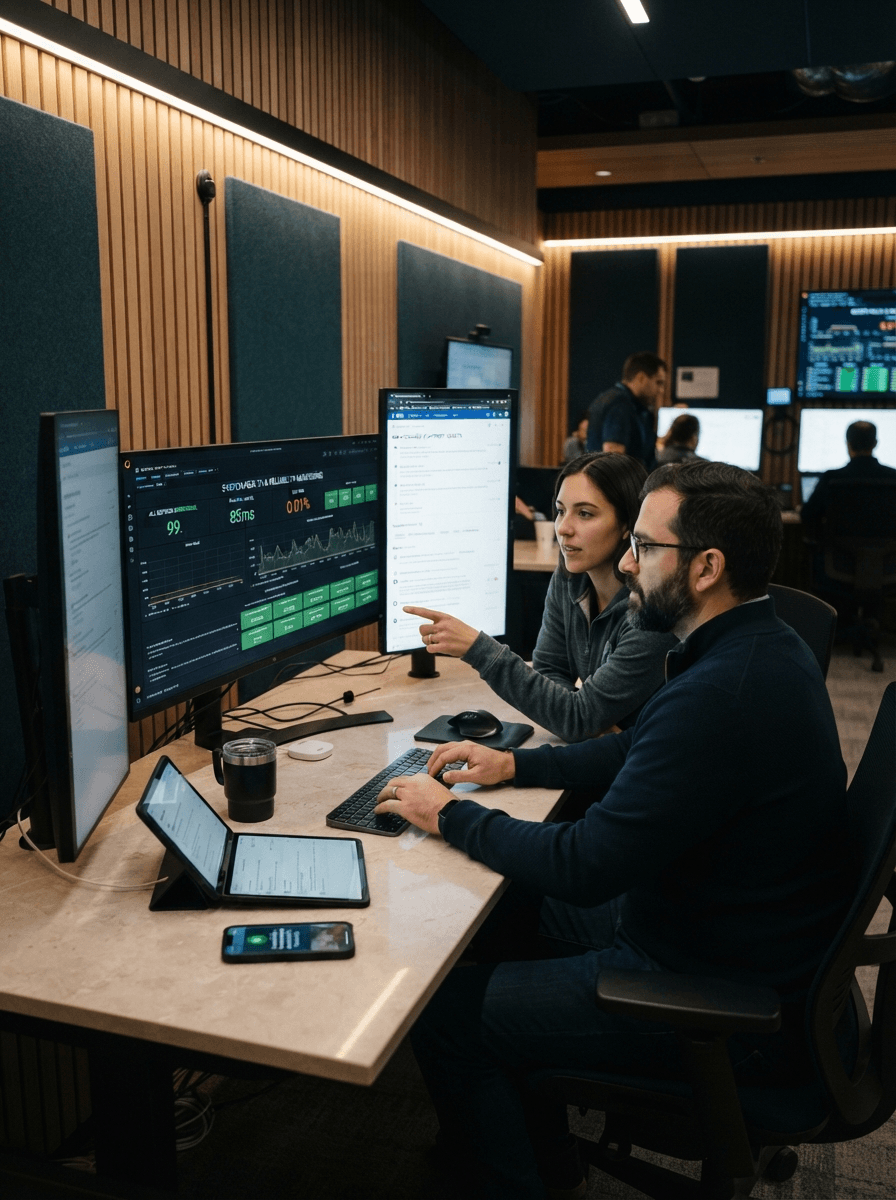
After the application is launched, we continue supporting its operation through maintenance, issue resolution, technical updates, and ongoing improvements. Our team can monitor application behavior, investigate production issues, address defects, maintain existing functionality, and implement required updates as the technology and business environment changes. Maintenance activities may include application updates, dependency changes, performance improvements, security-related maintenance, database adjustments, and fixes for issues identified through real-world usage. We work with the application team to prioritize maintenance requirements and address issues according to their impact and urgency. This ongoing support helps keep the application functional, maintainable, and aligned with changing operational requirements after the initial launch.

Optimization and Evaluation
As the application is used in real business environments, we evaluate its performance, usability, functionality, and alignment with evolving business requirements. Feedback from users and stakeholders helps identify areas where workflows can be simplified, features can be improved, or additional capabilities may provide greater value. We review application behavior, performance considerations, usage patterns, and operational requirements to identify practical opportunities for refinement. Improvements can include optimizing existing functionality, improving user journeys, enhancing application performance, introducing new features, or adjusting workflows as business processes change. This continuous evaluation allows the application to evolve beyond its initial release while remaining aligned with user needs, operational priorities, and the organization's long-term digital goals.
Frequently Asked Questions& Consulting
Find clear answers to common questions about our custom web application development and consulting services. From timelines and cost estimation to codebase modernization, team collaboration, security, and ongoing support, our FAQs provide practical guidance to help you understand the right solutions for your business. If you need more specific advice, our consulting team can work with you to evaluate your requirements and recommend the best technology strategy.
1. How long does a custom web application take to build?
A focused MVP with a defined scope typically takes 2–4 months. A more complex platform with multiple integrations, user roles, compliance requirements, and advanced backend logic may require 6–12 months for the initial production release. The timeline depends on scope clarity, integration complexity, and the extent to which existing architecture can be reused. We provide a specific estimate after a scoping session, not a generic range from a brief.
2. How do you estimate the cost of custom web development?
Cost estimation follows requirements review, not the other way around. We assess user roles, feature scope, integration requirements, cloud infrastructure, QA needs, and post-launch support before producing a number. This avoids vague estimates that shift after the first sprint and gives your team a clear view of what to build now versus what can be phased to a later release.
3. Can you work with an existing codebase or only build from scratch?
Both. We regularly assess and modernize existing web applications, resolve technical debt in production systems, and extend platforms built by other teams. A technical audit at the start of the engagement identifies which parts of the existing system are worth keeping and which carry more risk than they solve. We can recommend modernization, targeted improvements, or a new implementation based on the condition and requirements of the existing application.
4. What team do we need on our side during development?
Typically, a product owner or technical lead is available to review the sprint output and confirm priorities. For projects replacing an existing system, a stakeholder familiar with the current workflows speeds up requirements gathering and reduces late-stage scope changes. Their involvement also helps the development team clarify business decisions and validate important functionality throughout the project.
5. How do you handle security and compliance requirements?
Security considerations are incorporated into the application architecture from the beginning. Depending on the project requirements, this can include authentication, role-based access control, secure data handling, encryption, audit logging, input validation, and appropriate security practices across application components. For projects operating under specific regulatory or compliance requirements, we review those requirements during discovery and account for them throughout architecture, development, testing, and deployment.
6. Do you support the web application after launch?
Post-launch support can include bug resolution, dependency updates, performance improvements, security-related maintenance, application monitoring, and continued feature development. We can remain involved after the initial release to address technical requirements and support the application's ongoing evolution rather than treating deployment as the end of the development lifecycle.
7. Can you integrate the web application with our existing internal systems?
Yes. Web applications often need to communicate with CRMs, ERPs, payment providers, identity systems, analytics platforms, communication services, or existing internal APIs. We design the integration layer during the architecture phase, define how information moves between systems, and implement authentication, data mapping, validation, error handling, and appropriate integration workflows. This helps maintain consistent communication between the application and the systems your business already uses.
8. What if our requirements change during development?
Scope changes are a normal part of product development. We handle them through structured change management by evaluating their impact on functionality, development effort, timeline, and cost before incorporating them into the delivery plan. Priorities can then be adjusted between development cycles while keeping stakeholders informed about the resulting changes. For projects where requirements are expected to evolve significantly, an iterative approach can provide greater flexibility than defining every requirement as fixed from the beginning.

Let’s Collaborate!
Ready to turn your business goals and ideas into a practical digital solution? Let’s discuss your requirements, challenges, and objectives to determine the right technology approach and development strategy for your project.